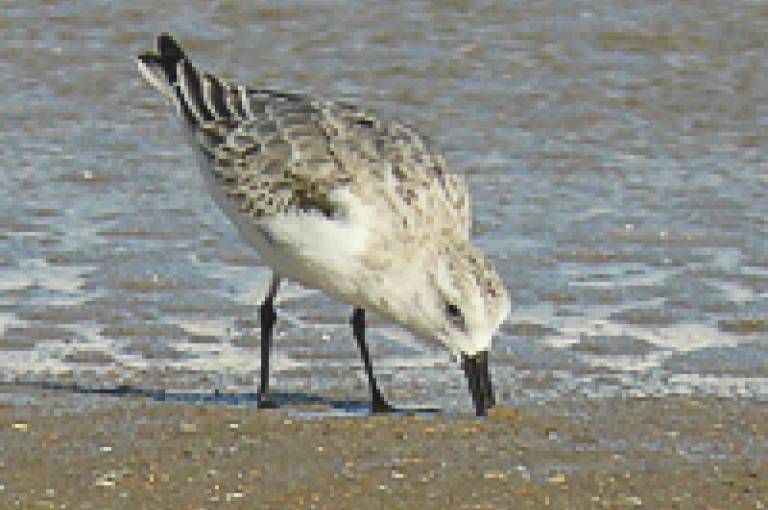
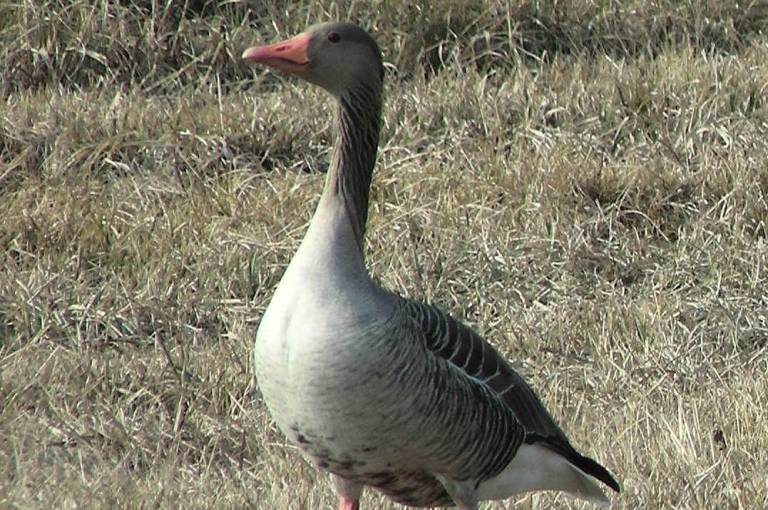
Anarhynchus alexandrinus · kulík morský · Kentish Plover
Alternative and historical names
Slovak names
- kulík morský (Kovalik 2010)
- kulík morský (Matoušek 1990)
English names
- Kentish Plover (IOC 2.5 2010)
- Kentish Plover (BOU 1923)
Scientific names
- Anarhynchus alexandrinus (AviList 2026)
- Anarhynchus alexandrinus (IOC 15.2 2026)
- Charadrius alexandrinus (IOC 2.5 2010)
- Charadrius alexandrinus (BOU 1923)
Taxonomic synonyms
- Charadrius alexandrinus (Linnaeus, 1758)
- Anarhynchus alexandrinus (Linnaeus, 1758)
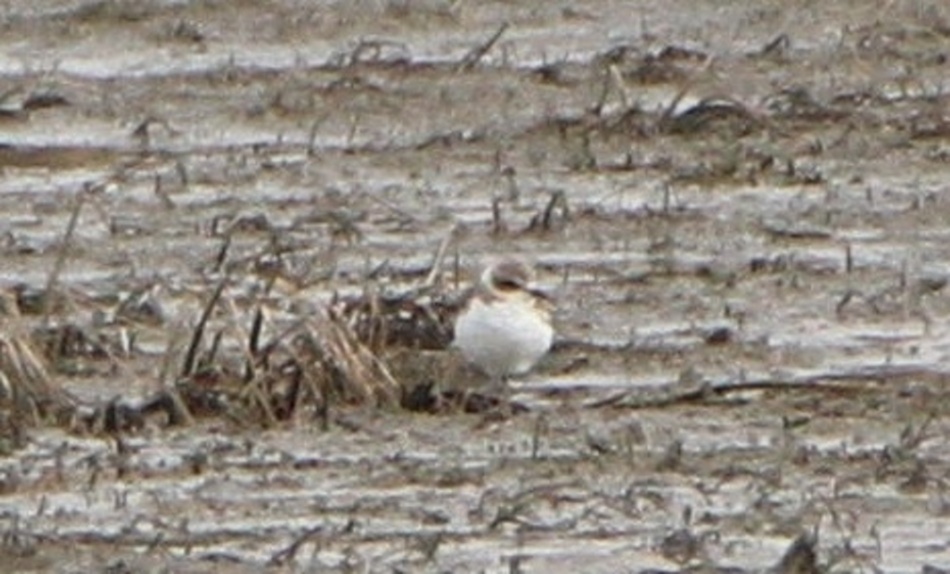
Birding Slovakia database
This species through our community’s eyes
Photographs by category
Species characteristics in Slovakia
- General occurrence
- migrant / M
- Breeding
- rare nidificant / Nr
- Migration
- rare transmigrant / Tr
- Rarities committee:
- Sighting of this specie should be reporter to Raritties Commitee
Conservation — Red Lists
- Slovakia 2023breeding population
- Breeding population Period: 2013–2023 Source: Demko M. a kol. 2025: Červený zoznam vtákov Slovenska: aktualizácia 2013 – 2023. Tichodroma 37: 107–117. Online 18. 1. 2026. DOI: 10.31577/tichodroma.2025.37.18. Výsledky, s. 112, výslovne menovaný druh Druh uvedený v texte medzi 19 druhmi NA.
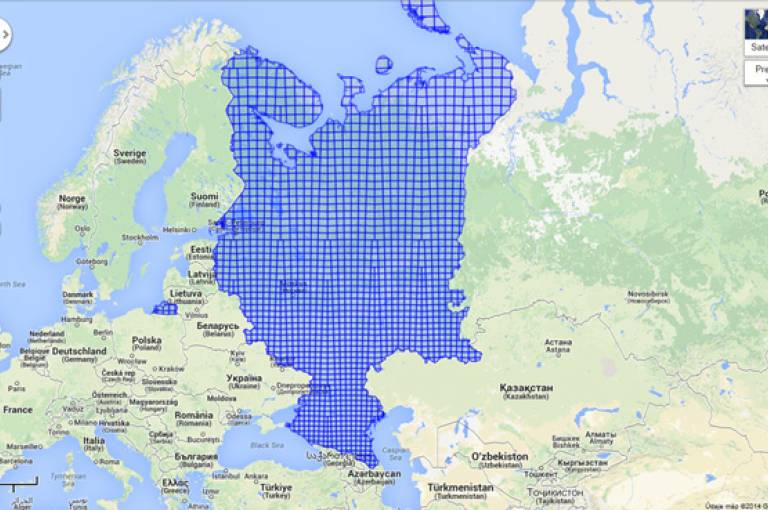
Observation map
Detailed species observation statistics

Source: the Birding.sk database. Counts reflect observer contributions, not population size.
About this species
Distribution
Kentish Plover inhabits coasts and saline inland waters in Europe, Africa and Asia. Slovakia lies outside its continuous breeding range and receives only very rare visitors. A failed breeding attempt was recorded in 1993, but this does not establish a regular Slovak population. It has no usual winter presence here.
Habitat
Its native habitats include sandy and muddy shores, salt flats and sparsely vegetated open ground. Exposed fishpond and reservoir shores or drying shallows would be suitable in Slovakia. Habitat suitability is only a prerequisite, not a guarantee of occurrence.
Breeding
The nest is a scrape on open ground, usually holding three eggs. Egg camouflage and unobtrusive parental behaviour matter because dense vegetation offers no protection. Chicks soon disperse around the nest area.
Food
It picks small insects, larvae, crustaceans and other invertebrates from saline ground, sand and mud. Prey is located visually and seized with a short bill between running pauses.
Interesting fact
Dark patches at the sides of the breast do not form a complete collar as in some other plovers. This apparently small difference can draw attention to a rare visitor among more familiar species.
Sources: Slovak Wikipedia · English Wikipedia
Sign in to send private feedback on the text to our editors.
Explore further
Overview and identification
Descriptions, identification and names.
- Slovak Wikipedia ↗
Taxon account in Slovak: distribution, biology and references for further reading.
https://sk.wikipedia.org/wiki/Kul%C3%ADk_morsk%C3%BD - English Wikipedia ↗
Taxon account in English: distribution, biology and taxonomic context.
https://en.wikipedia.org/wiki/Kentish_plover