Larus argentatus · čajka striebristá · European Herring Gull
Alternative and historical names
Slovak names
- čajka striebristá (Kovalik 2010)
- čajka striebristá (Matoušek 1990)
English names
- European Herring Gull (IOC 2.5 2010)
- Herring-Gull (BOU 1923)
Scientific names
- Larus argentatus (AviList 2026)
- Larus argentatus (IOC 15.2 2026)
- Larus argentatus (IOC 2.5 2010)
- Larus argentatus (BOU 1923)
Taxonomic synonyms
- Larus argentatus Pontoppidan, 1763

Birding Slovakia database
This species through our community’s eyes
Photographs by category
Species characteristics in Slovakia
- Migration
- rare transmigrant / Tr
- Wintering
- rare wintering / Wr
- Rarities committee:
- Sigthings of this specie are registered by Raritties commitee
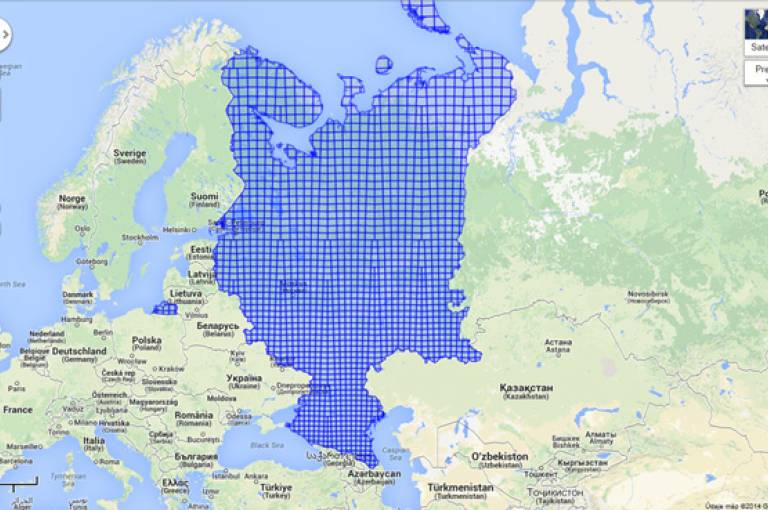
Observation map

Detailed species observation statistics

Source: the Birding.sk database. Counts reflect observer contributions, not population size.
About this species
Distribution
Its breeding range is concentrated in northern and western Europe, especially along coasts. Northern populations move south in winter, while many western European birds remain nearer their breeding sites. In Slovakia it is a scarce regular visitor during migration and winter. Assessing occurrence requires careful separation from more frequently encountered large gull relatives.
Habitat
Look in mixed flocks at reservoirs, major rivers and suitable open feeding areas. Birds rest on shores and open water. Native breeding sites include coasts, islands and buildings.
Breeding
The nest may be on the ground, a rock ledge or a roof; a clutch usually contains three eggs. Both parents incubate and feed chicks. This regular breeding cycle takes place outside Slovakia.
Food
It eats fish, crustaceans, other invertebrates, carrion and available food scraps, both hunting independently and using food made accessible by people.
Interesting fact
Identifying immature large gulls involves more than comparing back colour. Age, wing pattern and head and bill shape matter; good photographs of both standing and flying birds permit a more reliable assessment.
Sources: Slovak Wikipedia · English Wikipedia
Sign in to send private feedback on the text to our editors.
Explore further
Overview and identification
Descriptions, identification and names.
- Slovak Wikipedia ↗
Taxon account in Slovak: distribution, biology and references for further reading.
https://sk.wikipedia.org/wiki/%C4%8Cajka_striebrist%C3%A1 - English Wikipedia ↗
Taxon account in English: distribution, biology and taxonomic context.
https://en.wikipedia.org/wiki/European_herring_gull - BTO: Identifying Common and Herring Gull ↗
English identification video comparing this taxon with similar species and explaining distinguishing features.
https://www.bto.org/learn/skills/bird-identification/videos/common-herring-gull - BTO: Identifying adult black-backed gulls ↗
English identification video comparing this taxon with similar species and explaining distinguishing features.
https://www.bto.org/learn/skills/bird-identification/videos/adult-black-backed-gulls
Data and research
Occurrences, distribution and research.
- Gibbins et al.: Identification of Caspian Gull – Part 1 ↗
English identification paper (2010) comparing Caspian Gull with Herring and Yellow-legged Gulls across age classes.
https://gull-research.org/papers/papers5/Caspian-Gulls-part-1.pdf