Parus major · sýkorka veľká · Great Tit
Alternative and historical names
Slovak names
- sýkorka veľká (Kovalik 2010)
- sýkorka bielolíca (Kovalik 2010)
- sýkorka bielolíca (Matoušek 1990)
- sýkorka veľká (Ferianc 1958)
English names
- Great Tit (IOC 2.5 2010)
- Great Titmouse (BOU 1923)
Scientific names
- Parus major (AviList 2026)
- Parus major (IOC 15.2 2026)
- Parus major (IOC 2.5 2010)
- Parus major (BOU 1923)
Taxonomic synonyms
- Parus corsus (Kleinschmidt, 1903)
- Parus major Linnaeus, 1758

Birding Slovakia database
This species through our community’s eyes
Species characteristics in Slovakia
- General occurrence
- mainly resident, minority is migratory / R(M)
- Breeding
- common nidificant / Nc
- Migration
- common transmigrant / Tc
- Wintering
- common wintering / Wc
- Rarities committee:
- Does not require any reporting or registration by Raritties commitee
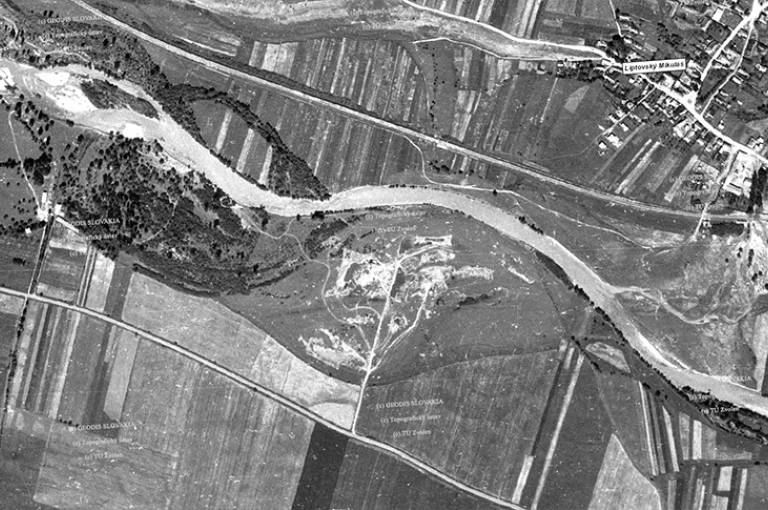
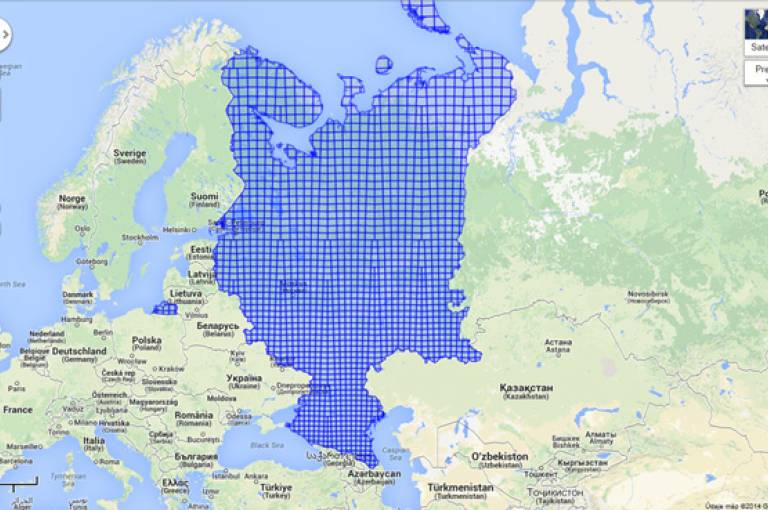
Observation map

Detailed species observation statistics

Source: the Birding.sk database. Counts reflect observer contributions, not population size.
About this species
Distribution
The Great Tit occurs across much of Europe, north-west Africa and extensive parts of Asia. Slovakia lies within its continuous European range. It is one of our commonest breeding birds and can be encountered throughout the year, from the lowlands to mountain forests, although it becomes scarcer at higher elevations. Some birds move between areas, and in winter the resident population is joined by visitors from farther north and east.
Habitat
The easiest places to find it are gardens, parks, orchards and open deciduous or mixed woodland. It needs trees and shrubs offering nesting places and plenty of insects. In winter it joins mixed flocks with other tits and regularly visits bird feeders.
Breeding
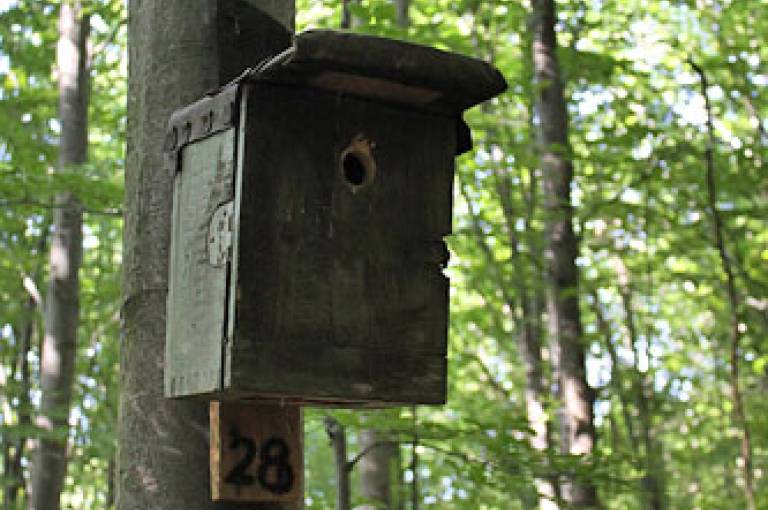
It nests in tree holes, nest boxes and suitable openings in buildings. The female builds a nest largely of moss, lining it with soft material. In spring she lays a large clutch, often seven to nine eggs. The female incubates, both parents feed the chicks, and some pairs produce a second brood.
Food
In spring and summer it gathers insects, caterpillars and spiders, which are also important food for the chicks. Seeds and other plant foods become more prominent in autumn and winter.
Interesting fact
A single Great Tit can confuse a listener with its varied vocal repertoire. Alongside its familiar two-note song, it produces many contact and alarm calls: several different sounds from a treetop do not necessarily mean several different bird species.
Sources: Slovak Wikipedia · BTO BirdFacts · English Wikipedia · GBIF · RSPB – Great Tit
Sign in to send private feedback on the text to our editors.
Explore further
Overview and identification
Descriptions, identification and names.
- Slovak Wikipedia ↗
Taxon account in Slovak: distribution, biology and references for further reading.
https://sk.wikipedia.org/wiki/S%C3%BDkorka_ve%C4%BEk%C3%A1 - English Wikipedia ↗
Taxon account in English: distribution, biology and taxonomic context.
https://en.wikipedia.org/wiki/Great_tit - RSPB – Great Tit ↗
A concise identification guide and basic information in English.
https://web-cdn.rspb.org.uk/birds-and-wildlife/great-tit - Bird.watching: Great Tit – identification and voice ↗
Slovak species lesson with identification features and an example vocalisation.
https://bird.watching.sk/sk/sykorka-velka-parus-major/
Sounds, photographs and video
Recordings and visual comparisons.
- BTO – songs and calls ↗
Recordings and videos on the species page; open the identification section.
https://www.bto.org/learn/about-birds/birdfacts/great-tit#identification