Garrulus glandarius · sojka obyčajná · Eurasian Jay
Alternative and historical names
Slovak names
- sojka obyčajná (Kovalik 2010)
- sojka škriekavá (Kovalik 2010)
- sojka škriekavá (Matoušek 1990)
- sojka obyčajná (Ferianc 1958)
English names
- Eurasian Jay (IOC 2.5 2010)
- Jay (BOU 1923)
Scientific names
- Garrulus glandarius (AviList 2026)
- Garrulus glandarius (IOC 15.2 2026)
- Garrulus glandarius (IOC 2.5 2010)
- Garrulus glandarius (BOU 1923)
Taxonomic synonyms
- Corvus glandarius (Linnaeus, 1758)
- Garrulus glandarius (Linnaeus, 1758)

Birding Slovakia database
This species through our community’s eyes
Species characteristics in Slovakia
- General occurrence
- resident / R
- Breeding
- common nidificant / Nc
- Migration
- common transmigrant / Tc
- Wintering
- common wintering / Wc
- Rarities committee:
- Does not require any reporting or registration by Raritties commitee
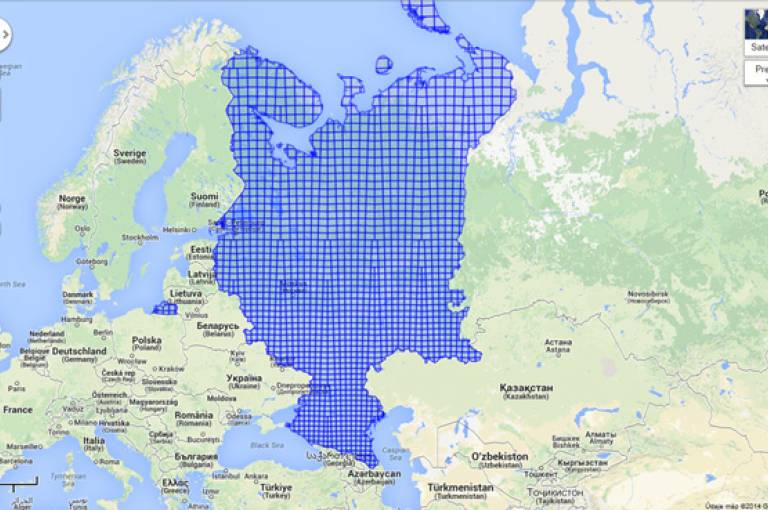
Observation map
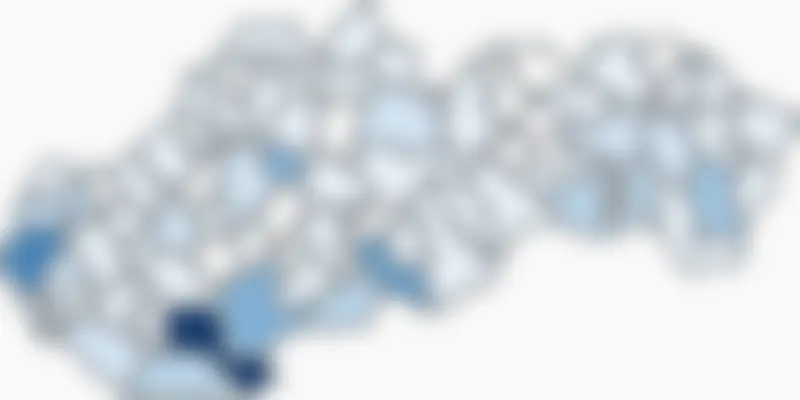
Detailed species observation statistics

Source: the Birding.sk database. Counts reflect observer contributions, not population size.
About this species
Distribution
It occurs in Europe, northwestern Africa and large parts of Asia. In Slovakia it is a regular resident breeder throughout most wooded regions and some parks. Most birds remain or wander locally, but some populations make stronger seasonal movements. Autumn passage can therefore include immigrants without indicating growth of the local breeding population.
Habitat
It uses deciduous, mixed and coniferous woods, edges and large parks. Fruit- and seed-bearing trees, especially oaks, are important. A loud harsh call often reveals it, although birds become much quieter and more secretive near a nest.
Breeding
The twig nest with finer lining is placed against a trunk or in a tree fork. The female usually lays 4–6 eggs. Both parents feed the chicks, normally raising one brood; young remain with adults for a time.
Food
Its varied diet includes insects and other invertebrates, acorns, nuts, seeds and fruits, occasionally eggs and small vertebrates. The balance changes seasonally.
Interesting fact
In autumn it hides acorns in soil and crevices. Some unrecovered seeds can germinate, dispersing oaks to places away from their parent tree.
Sources: Slovak Wikipedia · English Wikipedia · BTO BirdFacts
Sign in to send private feedback on the text to our editors.
Explore further
Overview and identification
Descriptions, identification and names.
- Slovak Wikipedia ↗
Taxon account in Slovak: distribution, biology and references for further reading.
https://sk.wikipedia.org/wiki/Sojka_oby%C4%8Dajn%C3%A1 - English Wikipedia ↗
Taxon account in English: distribution, biology and taxonomic context.
https://en.wikipedia.org/wiki/Eurasian_jay - BTO BirdFacts ↗
Biology and identification in English; population figures and trends refer to Britain.
https://www.bto.org/learn/about-birds/birdfacts/jay