Ardea alba modesta · beluša veľká typ modesta · Eastern Great Egret
Alternative and historical names
Slovak names
- volavka biela (Kovalik 2010)
English names
No records yet.
Scientific names
- Ardea alba modesta (AviList 2026)
- Ardea alba modesta (IOC 15.2 2026)
Taxonomic synonyms
- Casmerodius albus modestus (J.E.Gray, 1831)
- Ardea modesta (J.E.Gray, 1831)
- Ardea alba modesta Gray, 1831
- Casmerodius egretta (J.F.Gmelin, 1789)

Birding Slovakia database
This species through our community’s eyes
Photographs by category
Species characteristics in Slovakia
- Migration
- rare transmigrant / Tr
- Wintering
- rare wintering / Wr
- Rarities committee:
- Does not require any reporting or registration by Raritties commitee
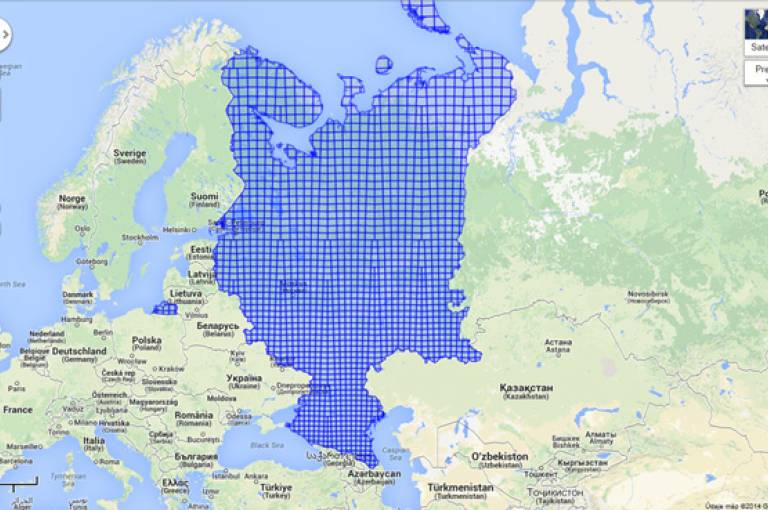
Observation map

Detailed species observation statistics

Source: the Birding.sk database. Counts reflect observer contributions, not population size.
About this species
Distribution
This card concerns the East Asian and Australasian form of Great Egret, Ardea alba modesta. Its native range lies in Asia and Oceania, whereas regular Slovak Great Egrets belong to the European context of Ardea alba. Calling an unusually coloured individual “modesta-type” does not by itself demonstrate Asian origin or confirm this subspecies in Slovakia.
Habitat
At home it occupies freshwater and coastal wetlands, rice fields and shallow lagoons. Similar-looking egrets in Slovakia occur at fishponds, flooded ground and river margins. The bill, bare facial skin, legs and season all need documenting, as colours change during breeding.
Breeding
Modesta breeds colonially, often with other waterbirds. A stick nest is built in trees or dense vegetation, commonly holding 3–4 eggs. These are details from its native range, not evidence of this form breeding in Slovakia.
Food
It walks slowly through shallow water or waits motionless, taking mainly fish, amphibians and aquatic invertebrates, occasionally other small vertebrates.
Interesting fact
European Great Egrets can also acquire a black bill in breeding plumage. One conspicuous colour feature is therefore insufficient to establish the geographical origin of a bird.
Sources: English Wikipedia · BTO BirdFacts
Sign in to send private feedback on the text to our editors.
Explore further
Overview and identification
Descriptions, identification and names.
- English Wikipedia ↗
Taxon account in English: distribution, biology and taxonomic context.
https://en.wikipedia.org/wiki/Eastern_great_egret - BTO BirdFacts ↗
Biology and identification in English; population figures and trends refer to Britain.
https://www.bto.org/learn/about-birds/birdfacts/great-white-egret
Data and research
Occurrences, distribution and research.
- State Nature Conservancy: identification, ecology and conservation – Ardea alba modesta ↗
Slovak expert profile with morphology, ecology and species conservation information. Covers the parent species; does not separate this subspecies or group.
https://www.biomonitoring.sk/Registration/AtlasAnimal/Detail/48694