Clangula hyemalis · ľadovka dlhochvostá · Long-tailed Duck
Alternative and historical names
Slovak names
- ľadovka dlhochvostá (Kovalik 2010)
- kačica ľadová (Kovalik 2010)
- kačica ľadová (Matoušek 1990)
- ľadovka dlhochvostá (Ferianc 1986)
English names
- Long-tailed Duck (IOC 2.5 2010)
- Long-tailed Duck (BOU 1923)
Scientific names
- Clangula hyemalis (AviList 2026)
- Clangula hyemalis (IOC 15.2 2026)
- Clangula hyemalis (IOC 2.5 2010)
- Clangula hyemalis (BOU 1923)
Taxonomic synonyms
- Anas hyemalis (Linnaeus, 1758)
- Nyroca hyemalis (Linnaeus, 1758)
- Clangula hyemalis (Linnaeus, 1758)

Birding Slovakia database
This species through our community’s eyes
Photographs by category
Species characteristics in Slovakia
- Migration
- rare transmigrant / Tr
- Wintering
- rare wintering / Wr
- Rarities committee:
- Sigthings of this specie are registered by Raritties commitee
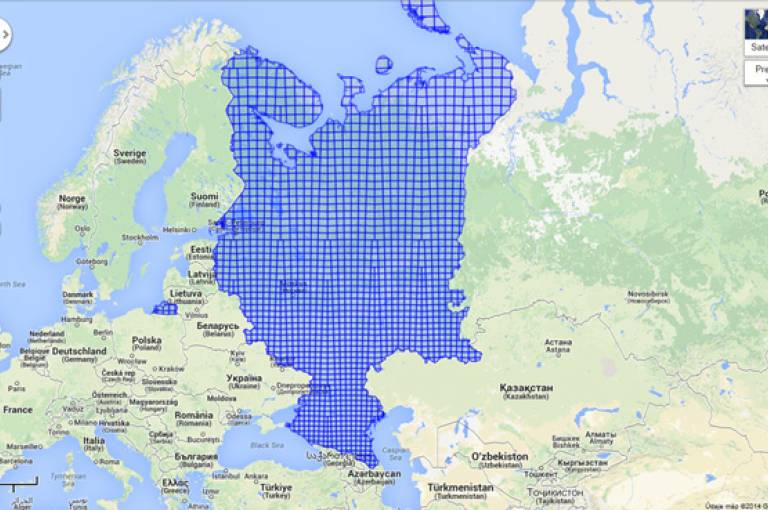
Observation map

Detailed species observation statistics

Source: the Birding.sk database. Counts reflect observer contributions, not population size.
About this species
Distribution
It breeds in Arctic and subarctic Eurasia and North America and winters chiefly on northern seas; the Baltic is particularly important in Europe. In Slovakia it is a rare passage and winter visitor and does not breed. Most records fall in the colder months, when individuals appear on large open waters.
Habitat
Breeding habitats include tundra pools, wetlands and some mountain lakes, while winter feeding areas are mainly marine. In Slovakia, check reservoirs, gravel pits and large rivers. It may stay well offshore and dive frequently, making it difficult to locate.
Breeding
The ground nest lies beside water, concealed in low vegetation. The female lines it with down, incubates and leads the ducklings. The male generally does not take part in later brood care.
Food
It dives for molluscs, crustaceans and other aquatic invertebrates, also taking small fish. Available food differs between freshwater breeding sites and marine wintering grounds.
Interesting fact
Its plumage changes more dramatically through the year than that of many other ducks. The male has a mostly pale head in winter and is darker in summer, so colour pattern alone can easily confuse an inexperienced observer.
Sources: Slovak Wikipedia · English Wikipedia · BTO BirdFacts
Sign in to send private feedback on the text to our editors.
Explore further
Overview and identification
Descriptions, identification and names.
- Slovak Wikipedia ↗
Taxon account in Slovak: distribution, biology and references for further reading.
https://sk.wikipedia.org/wiki/%C4%BDadovka_dlhochvost%C3%A1 - English Wikipedia ↗
Taxon account in English: distribution, biology and taxonomic context.
https://en.wikipedia.org/wiki/Long-tailed_duck - BTO BirdFacts ↗
Biology and identification in English; population figures and trends refer to Britain.
https://www.bto.org/learn/about-birds/birdfacts/long-tailed-duck