Melanitta fusca · turpan tmavý · Velvet Scoter
Alternative and historical names
Slovak names
- turpan tmavý (Kovalik 2010)
- kačica tmavá (Kovalik 2010)
- turpan tmavý (Matoušek 1990)
- turpan tmavý (Ferianc 1986)
English names
- Velvet Scoter (IOC 2.5 2010)
- Velvet-Scoter (BOU 1923)
Scientific names
- Melanitta fusca (AviList 2026)
- Melanitta fusca (IOC 15.2 2026)
- Melanitta fusca (IOC 2.5 2010)
- Melanitta fusca (BOU 1923)
Taxonomic synonyms
- Anas fusca (Linnaeus, 1758)
- Oedemia fusca (Linnaeus, 1758)
- Oidemia fusca (Linnaeus, 1758)
- Melanitta fusca (Linnaeus, 1758)

Birding Slovakia database
This species through our community’s eyes
Photographs by category
Species characteristics in Slovakia
- Migration
- rare transmigrant / Tr
- Wintering
- rare wintering / Wr
- Rarities committee:
- Does not require any reporting or registration by Raritties commitee
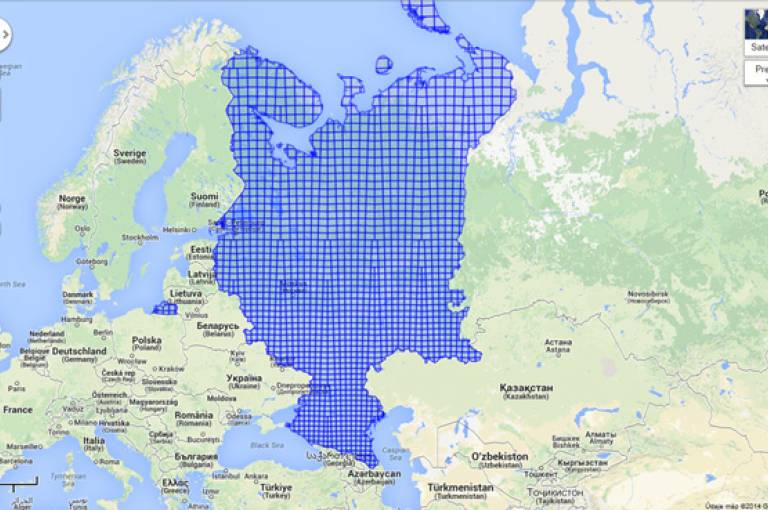
Observation map

Detailed species observation statistics

Source: the Birding.sk database. Counts reflect observer contributions, not population size.
About this species
Distribution
In its current narrower sense it breeds in northern Europe and adjoining western Asia, with isolated populations farther south. It winters mainly at sea. In Slovakia it is a scarce passage and winter visitor, occurring chiefly from autumn to spring. It does not breed here, although individuals may remain on suitable water for some time.
Habitat
Its breeding habitats include lakes and wetlands in tundra or wooded landscapes; wintering birds use coastal waters. In Slovakia, check large reservoirs, gravel pits and rivers. It often floats on open water, sometimes with other scoters and diving ducks.
Breeding
The ground nest is concealed in dense vegetation near water. The female lines it with down, incubates and leads the ducklings. Brood rearing requires safe water with sufficient small animal food.
Food
It dives for molluscs, crustaceans, insects and other aquatic invertebrates. Diet changes between freshwater breeding habitats and marine wintering areas.
Interesting fact
The white wing patch is striking in flight but can be almost completely hidden on a resting bird. A brief wing stretch may therefore provide more identification information than prolonged views of its dark body.
Sources: Slovak Wikipedia · English Wikipedia · BTO BirdFacts
Sign in to send private feedback on the text to our editors.
Explore further
Overview and identification
Descriptions, identification and names.
- Slovak Wikipedia ↗
Taxon account in Slovak: distribution, biology and references for further reading.
https://sk.wikipedia.org/wiki/Turpan_tmav%C3%BD - English Wikipedia ↗
Taxon account in English: distribution, biology and taxonomic context.
https://en.wikipedia.org/wiki/Velvet_scoter - BTO BirdFacts ↗
Biology and identification in English; population figures and trends refer to Britain.
https://www.bto.org/learn/about-birds/birdfacts/velvet-scoter - BTO: Identifying Scoters ↗
English identification video comparing this taxon with similar species and explaining distinguishing features.
https://www.bto.org/learn/skills/bird-identification/videos/scoters