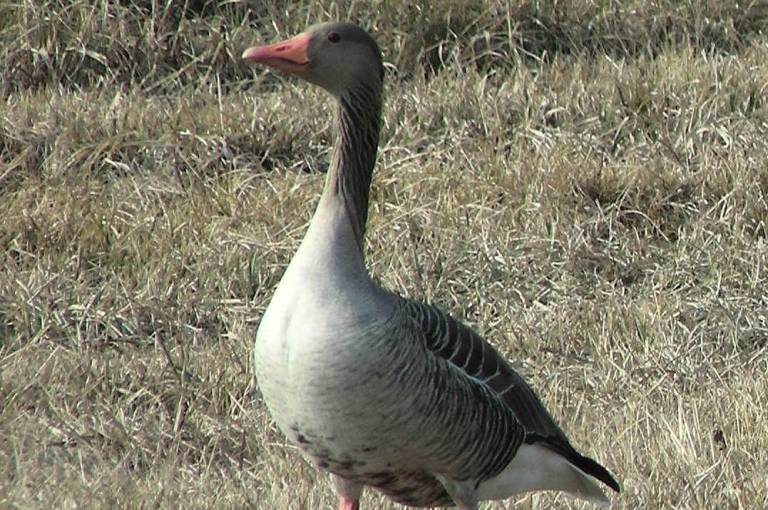
Picus canus · žlna sivá · Grey-headed Woodpecker
Alternative and historical names
Slovak names
- žlna sivá (Kovalik 2010)
- žlna sivá (Matoušek 1990)
English names
- Grey-headed Woodpecker (IOC 2.5 2010)
Scientific names
- Picus canus (AviList 2026)
- Picus canus (IOC 15.2 2026)
- Picus canus (IOC 2.5 2010)
Taxonomic synonyms
- Picus canus Gmelin, JF, 1788
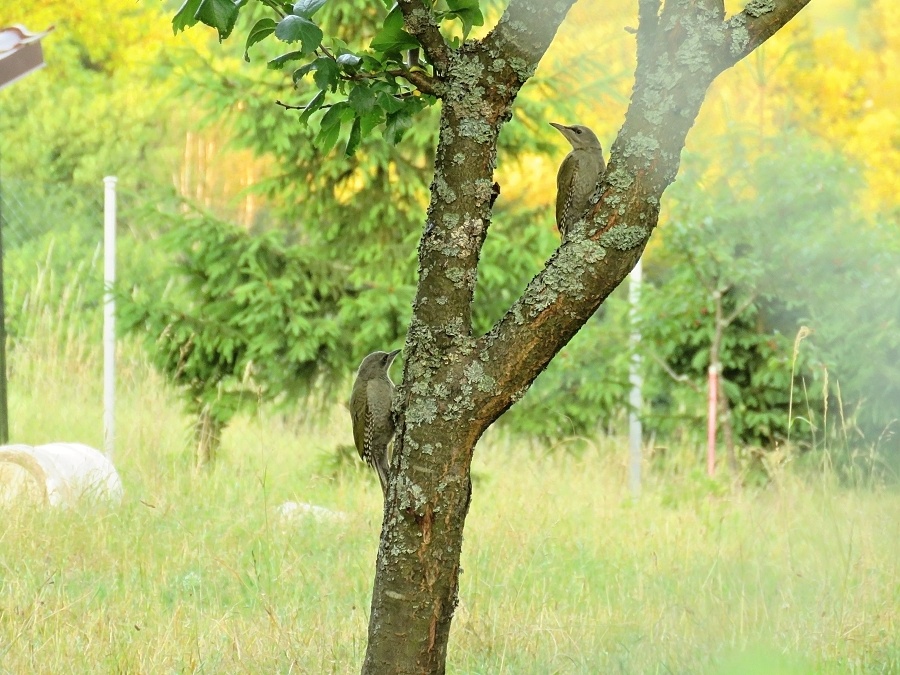
Birding Slovakia database
This species through our community’s eyes
Photographs by category
Species characteristics in Slovakia
- General occurrence
- resident / R
- Breeding
- common nidificant / Nc
- Wintering
- common wintering / Wc
- Rarities committee:
- Does not require any reporting or registration by Raritties commitee
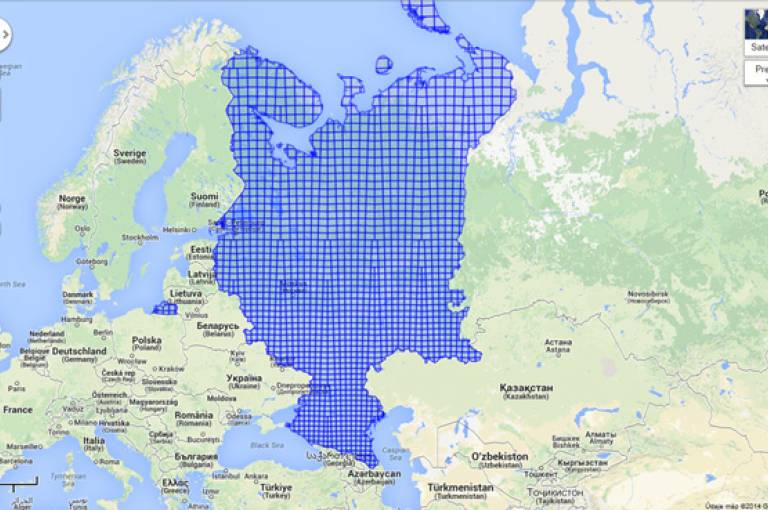
Observation map

Detailed species observation statistics

Source: the Birding.sk database. Counts reflect observer contributions, not population size.
About this species
Distribution
It occupies a broad Eurasian range from Europe to eastern Asia. Slovakia lies within its European range. It breeds regularly and is locally fairly common in foothill woodland, becoming scarcer in the southern lowlands. It remains here throughout the year, so winter sightings need not involve arrivals from the north.
Habitat
Look for it in mature deciduous and mixed woodland, especially beech woods, but also floodplain forests and large parks. It favours a combination of old trees, decaying wood and open patches where it can collect ants on the ground.
Breeding
The nest cavity is excavated chiefly in beech or another tree with damaged wood. A typical clutch contains 6–7 white eggs, incubated by both parents, with the male taking the night shift. They feed the chicks together and normally raise one brood annually.
Food
Ants and their immature stages predominate, supplemented by other insects taken from the ground, bark and wood. Berries and other plant food may also be eaten in the colder months.
Interesting fact
Its spring call seems to lose momentum: a series of whistled notes gradually slows and falls in pitch. This melancholy ending helps distinguish it from the laughing call of the Green Woodpecker, even when the bird remains unseen.
Sources: Slovak Wikipedia · English Wikipedia
Sign in to send private feedback on the text to our editors.
Explore further
Overview and identification
Descriptions, identification and names.
- Slovak Wikipedia ↗
Taxon account in Slovak: distribution, biology and references for further reading.
https://sk.wikipedia.org/wiki/%C5%BDlna_siv%C3%A1 - English Wikipedia ↗
Taxon account in English: distribution, biology and taxonomic context.
https://en.wikipedia.org/wiki/Grey-headed_woodpecker - Bird.watching.sk: identification and voice – Picus canus ↗
Slovak species lesson describing appearance, voice and habitat, supporting field identification.
https://bird.watching.sk/sk/zlna-siva-picus-canus/