Corvus frugilegus · havran čierny · Rook
Alternative and historical names
Slovak names
- havran čierny (Kovalik 2010)
- havran poľný (Kovalik 2010)
- havran poľný (Matoušek 1990)
English names
- Rook (IOC 2.5 2010)
- Rook (BOU 1923)
Scientific names
- Corvus frugilegus (AviList 2026)
- Corvus frugilegus (IOC 15.2 2026)
- Corvus frugilegus (IOC 2.5 2010)
- Corvus frugilegus (BOU 1923)
Taxonomic synonyms
- Corvus frugilegus Linnaeus, 1758

Birding Slovakia database
This species through our community’s eyes
Species characteristics in Slovakia
- General occurrence
- some are resident, some are migratory / R+M
- Breeding
- common nidificant / Nc
- Migration
- common transmigrant / Tc
- Wintering
- common wintering / Wc
- Rarities committee:
- Does not require any reporting or registration by Raritties commitee
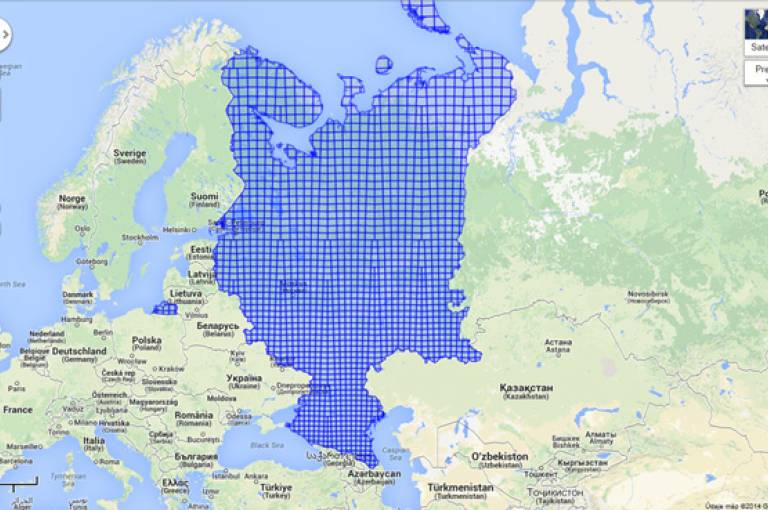
Observation map

Detailed species observation statistics

Source: the Birding.sk database. Counts reflect observer contributions, not population size.
About this species
Distribution
The Rook is widespread across temperate Eurasia. In Slovakia it breeds mainly in lowlands and basins, sometimes in substantial colonies. It occurs year-round, but birds from northern and eastern Europe greatly augment winter flocks. A large winter gathering therefore does not represent the number of local breeding pairs.
Habitat
Typical habitat is open farmland with tall trees. Look on fields, meadows, urban lawns and roadsides. Breeding colonies also occupy parks and avenues, while evening flocks converge on communal roosts.
Breeding
In spring it builds conspicuous stick nests high in trees, often close to neighbouring nests. A clutch usually contains 3–5 eggs. The female incubates, and both parents contribute to feeding the chicks.
Food
It searches the soil for earthworms, insect larvae and other invertebrates. Seeds, grain and other available plant and animal foods supplement this diet.
Interesting fact
An adult Rook is identified by the pale bare skin around the base of its bill. Young birds still have feathers there, so the simple rule that a Rook has a pale bill is insufficient when separating them from crows.
Sources: Slovak Wikipedia · English Wikipedia · BTO BirdFacts
Sign in to send private feedback on the text to our editors.
Explore further
Overview and identification
Descriptions, identification and names.
- Slovak Wikipedia ↗
Taxon account in Slovak: distribution, biology and references for further reading.
https://sk.wikipedia.org/wiki/Havran_%C4%8Dierny - English Wikipedia ↗
Taxon account in English: distribution, biology and taxonomic context.
https://en.wikipedia.org/wiki/Rook_(bird) - BTO BirdFacts ↗
Biology and identification in English; population figures and trends refer to Britain.
https://www.bto.org/learn/about-birds/birdfacts/rook
Sounds, photographs and video
Recordings and visual comparisons.
- BTO: identifying dark corvids ↗
English comparative identification video covering appearance and vocalisations.
https://www.bto.org/learn/skills/bird-identification/videos/corvids