Carduelis carduelis · stehlík obyčajný · European Goldfinch
Alternative and historical names
Slovak names
- stehlík obyčajný (Kovalik 2010)
- stehlík pestrý (Kovalik 2010)
- stehlík pestrý (Matoušek 1990)
English names
- European Goldfinch (IOC 2.5 2010)
- Goldfinch (BOU 1923)
Scientific names
- Carduelis carduelis (AviList 2026)
- Carduelis carduelis (IOC 15.2 2026)
- Carduelis carduelis (IOC 2.5 2010)
- Carduelis carduelis (BOU 1923)
Taxonomic synonyms
- Fringilla carduelis (Linnaeus, 1758)
- Carduelis carduelis (Linnaeus, 1758)

Birding Slovakia database
This species through our community’s eyes
Species characteristics in Slovakia
- General occurrence
- some are resident, some are migratory / R+M
- Breeding
- common nidificant / Nc
- Migration
- common transmigrant / Tc
- Wintering
- common wintering / Wc
- Rarities committee:
- Does not require any reporting or registration by Raritties commitee
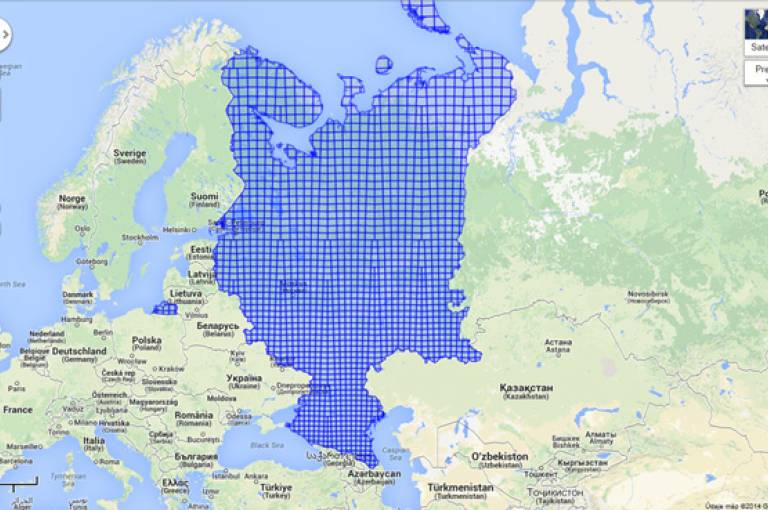
Observation map

Detailed species observation statistics

Source: the Birding.sk database. Counts reflect observer contributions, not population size.
About this species
Distribution
The Goldfinch occurs in Europe, northern Africa and western Asia and has also been introduced elsewhere. In Slovakia it is a widespread breeder, particularly in open country with trees. It occurs year-round, although some birds move. Mobile flocks around seed sources are conspicuous in autumn and winter.
Habitat
Look in gardens, orchards, parks, village edges and around small woods. After breeding it favours uncut strips, fallow ground and stands of thistles or burdock. It may visit winter feeders, but natural seed-rich vegetation remains important.
Breeding
The female builds a firm cup on a tree branch, often near its tip, using fine plant material and spider silk. Usually 4–6 eggs are laid. Both parents feed the young, and breeding may be repeated.
Food
It uses its slender bill to extract small seeds from herb seedheads. Insects and other small invertebrates are also taken while raising young.
Interesting fact
A young Goldfinch lacks the red face that makes adults easy to recognise. The conspicuous yellow band across the black wing is already present in juveniles and provides a more reliable first clue.
Sources: Slovak Wikipedia · English Wikipedia · BTO BirdFacts
Sign in to send private feedback on the text to our editors.
Explore further
Overview and identification
Descriptions, identification and names.
- Slovak Wikipedia ↗
Taxon account in Slovak: distribution, biology and references for further reading.
https://sk.wikipedia.org/wiki/Stehl%C3%ADk_oby%C4%8Dajn%C3%BD - English Wikipedia ↗
Taxon account in English: distribution, biology and taxonomic context.
https://en.wikipedia.org/wiki/European_goldfinch - BTO BirdFacts ↗
Biology and identification in English; population figures and trends refer to Britain.
https://www.bto.org/learn/about-birds/birdfacts/goldfinch